Contents
In short
- A registered nurse in a German public hospital starts at €3,510 a month, about ₹2.4 lakh in hand.
- Your husband or wife can join you and work. State schools are free.
- You get 30 days of paid leave a year, and you can reach the rest of Europe by train.
- You can apply for permanent residency after 3 years, and citizenship after 5.
- You need to learn German: B2 for nurses, B1 for Ausbildung.
What you would keep
Put in what you earn today, and you will see what would be left in Germany each month after rent and food, in rupees.
Left each month in Germany
₹1,41,000
That is 4.7 times your whole salary now, after rent, food and other costs.
- In hand in Germany€2,339 after tax and insurance
- ₹2,38,000
- Your costs€950 a month
- − ₹97,000
- Your pay in India nowFor comparison
- ₹30,000
Why Germany is hiring
Germany is getting older. Its statistics office expects the country to need about 2.15 million nursing staff by 2049, a third more than in 2019. It expects to be short of 280,000 to 690,000 of them.
So Germany has made it easier to come and work there. There are set routes for nurses trained abroad, and for young people who want to train in a trade through an Ausbildung. Hospitals, care homes and companies are looking for people who are ready to learn German and stay. Nursing in Germany
With a degree or a diploma, you can also go first and look for a job there. The Opportunity Card
Pay and working life
In hand per month, starting nurse in a public hospital
₹2.4 lakh
€3,510 before tax, €2,339 after tax and insurance.
In public hospitals, pay is fixed by a scale, so two nurses with the same years earn the same. The scale also brings:
- 30 days of paid leave a year, on a five-day week. Enough for a long trip home every year.
- A year-end bonus of 90% of one month’s pay, paid in November.
- €250 a month extra if you work rotating day and night shifts, on top of night and Sunday pay.
- Full pay when you are sick, for up to six weeks, paid by your employer. After that, health insurance pays.
- 38.5 to 40 hours a week. Extra hours are paid or given back as time off.
Your health insurance covers doctor visits and hospital care for little or nothing, and your pension payments count towards a German pension. Your German salary in rupees
Your family
Your husband or wife and children can join you on a family visa. If you come as a skilled worker, your husband or wife does not need to show German first, and their visa lets them work in any job.
| For your family | What you get |
|---|---|
| State schools | Free |
| Child benefit | €259 a month for each child |
| Health insurance | Free for your husband or wife and children, if they earn under €565 a month |
| Public universities | Mostly no tuition fee |
Bringing your family to Germany
Life outside work
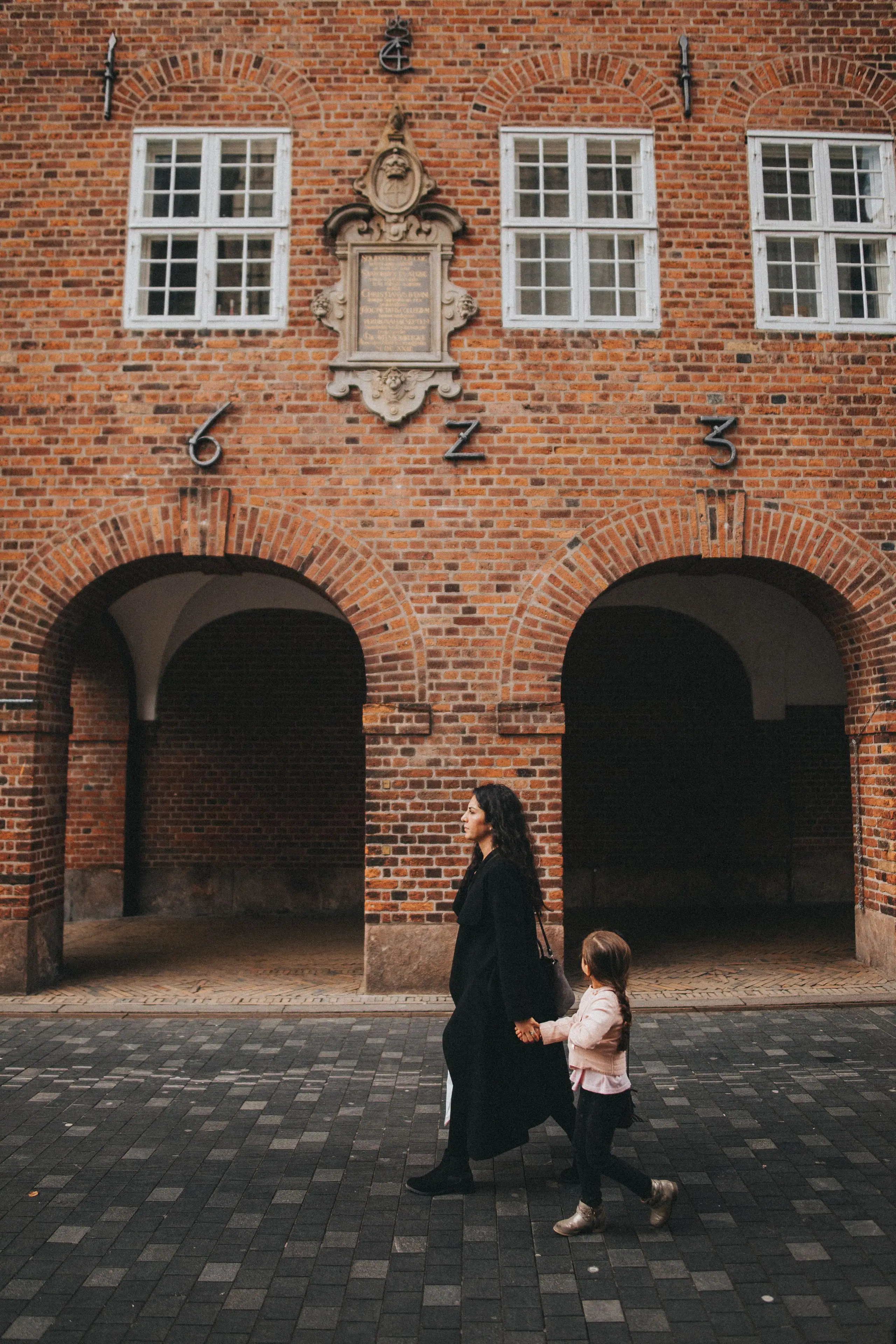
- Travel the whole country for €63 a month. The Deutschlandticket covers every local bus, tram, metro and regional train in Germany.
- Visa-free travel in Europe. With a German residence permit you can visit the other Schengen countries without a visa, like France, Italy and the Netherlands. You can stay up to 90 days in any 180.
- Long summer evenings. In June, Berlin has almost 17 hours of daylight, and people spend the evenings at lakes and in parks.
- Quiet Sundays. Most shops close, so people use the day to rest.
- Indian food. Big cities have Indian grocery shops and restaurants, and you can cook the food you grew up with.
Staying for good
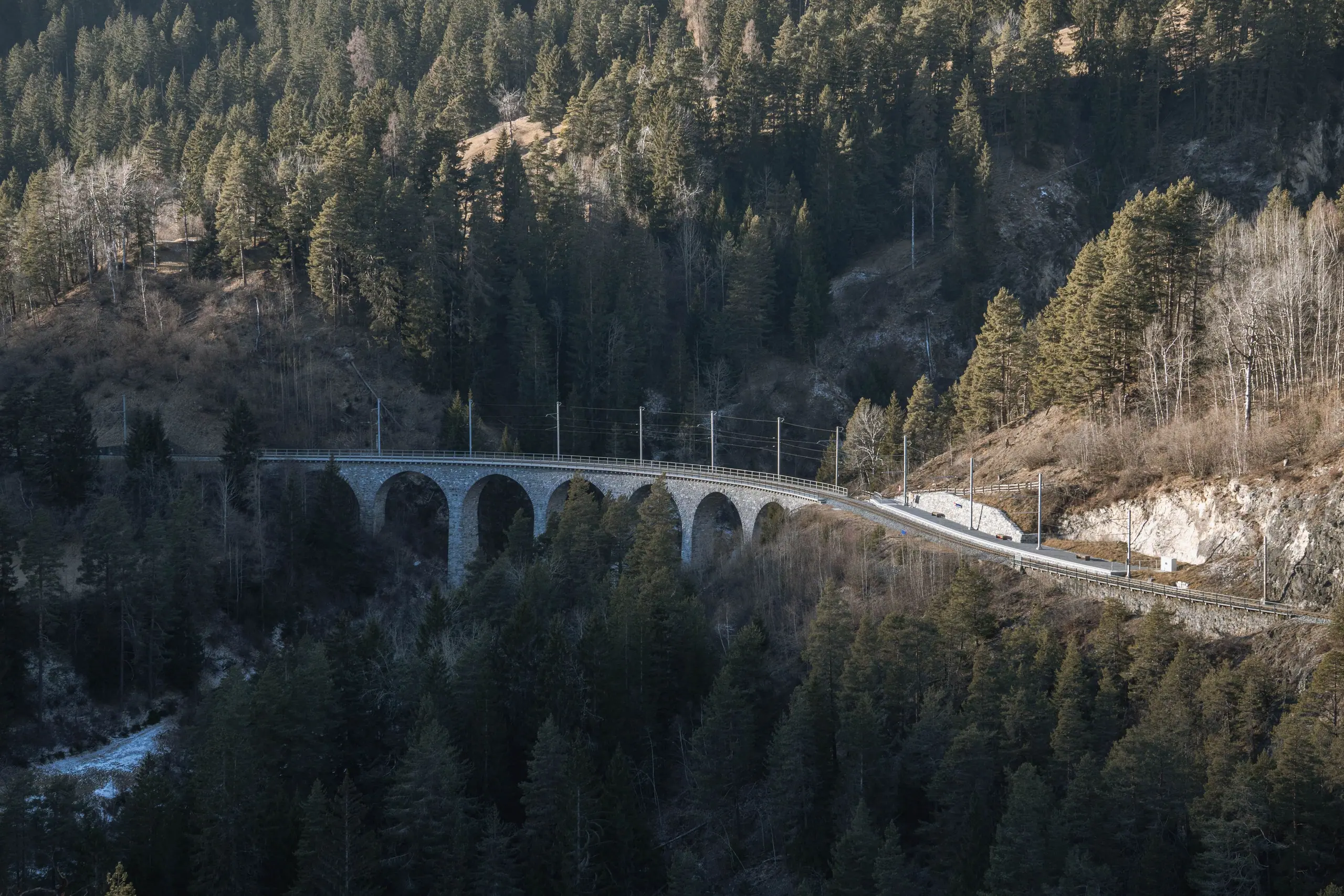
You can stay in Germany for good. The steps are set in law:
| Step | When | German |
|---|---|---|
| Permanent residency, skilled worker | After 3 years, with 36 months of pension payments | B1 |
| Permanent residency, after an Ausbildung in Germany | 2 years after you qualify | B1 |
| German citizenship | After 5 years living in Germany | B1 |
What to prepare for
These are the things to plan for, and how people handle them:
- The language. Work, doctors and offices run in German, so you learn it before you fly: B2 for nurses, B1 for trainees. German from A1 to B2
- The first months as an assistant. Nurses work as nursing assistants until they get their German licence, still on about €3,000 a month. The licence then brings a raise.
- Deductions. About 33% of your pay goes to tax and insurance before it reaches you. In return you get health cover, a pension and unemployment insurance. The figures on this page are already after deductions.
- Rent. A room in a shared flat costs about €850 a month in Munich and €510 on average across university towns. Smaller towns cost much less, and that is where many of our nurses live.
- Winter. December days are short and often grey. There are Christmas markets, and summer days are long.
- Paperwork. You register your address, open a bank account and get your residence permit in the first weeks. We help with each step. Your first month in Germany
Is Germany right for you?
Germany suits you if you:
- Want a stable job with good pay and fixed rights.
- Want your husband or wife and children with you.
- Want to settle, with permanent residency and a passport later.
- Are ready to give six months or more to learning German.
If you would rather work in English, Singapore hires nurses in English, and the UK, Ireland and Australia need an English test. OET or IELTS for nurses
Common questions
Is Germany good for Indian nurses?
For most, yes. Germany needs nurses, a public hospital starts a registered nurse at €3,510 a month, and your family can join you. The price is learning German to B2 and working as an assistant until your licence comes through.
Can I get permanent residency in Germany?
Yes. After 3 years on a skilled worker permit, with German at B1 and 36 months of pension payments, you can apply for a settlement permit. After an Ausbildung in Germany, it is 2 years of work after you qualify.
How long until I can get German citizenship?
After 5 years living in Germany, with German at B1. The faster 3-year route was removed in 2025. Germany allows dual citizenship, but India does not, so you would give up your Indian passport. You can then apply for an OCI card.
Can my husband or wife work in Germany?
Yes. A family visa lets your husband or wife work in any job. If you come as a skilled worker, they do not need to show German first.
Are schools free in Germany?
State schools are free, from primary school to the end of school. You also get child benefit of €259 a month for each child.
What is hard about living in Germany?
The language, mostly, which is why you learn German before you fly. Rent is high in big cities and lower in smaller towns, winter days are short, and the first weeks bring some paperwork. It gets easier as your German improves.

Written and checked by EZMode Advisors
Last checked:
Sources
- Federal Statistical Office: nurses needed by 2049 (January 2024)
- TVöD-P pay table from 1 May 2026 (City of Stuttgart)
- TVöD agreement of 6 April 2025, as signed (dbb): year-end bonus and shift allowance
- Continued Remuneration Act: sick pay for six weeks (§ 3 EntgFG)
- Federal Employment Agency: child benefit of €259 from January 2026
- vdek: family health insurance and the 2026 income limit
- Residence Act: settlement permit for skilled workers (§ 18c AufenthG)
- Nationality Act: naturalisation (§ 10 StAG)
- Deutsche Bahn: the Deutschlandticket
- WG-Gesucht and Moses Mendelssohn Institute: shared-flat rents, winter 2026/27