Contents
In short
- Permanent residency: after 3 years on a skilled worker permit, with German at B1.
- After an Ausbildung in Germany: 2 years after you qualify.
- German citizenship: after 5 years living in Germany, with German at B1 and a short test.
- Germany lets you keep your old passport. India does not, so you would get an OCI card instead.
- Permanent residency costs €113. Citizenship costs €255.
Your timeline
Pick how you are coming and when you arrive. The timeline shows the earliest month you could apply for each step.
Your estimate. It depends on your state and on the exam or course you take.
Permanent residency, at the earliest
January 2031
January 2027
You arrive in Germany
On the recognition partnership visa, working as a nursing assistant.
January 2028
Your nursing licence
You change to a skilled worker permit. Your 3 years start here.
January 2031
Permanent residency
The earliest you can apply, with German at B1.
January 2032
German citizenship
The earliest you can apply, after 5 years in Germany, with German at B1.
Permanent residency
Permanent residency in Germany is called a settlement permit (Niederlassungserlaubnis). It has no end date. You can change jobs, move cities or take a break from work without asking anyone.
| You need | Skilled worker | After an Ausbildung in Germany |
|---|---|---|
| Time on a skilled worker permit | 3 years | 2 years |
| Pension payments | 36 months | 24 months |
| German | B1 | B1 |
| Income | Enough to live on | Enough to live on |
For nurses, the 3 years start when you change to a skilled worker permit, which usually happens when your German nursing licence comes through. Your pension payments come out of your salary automatically, so they add up on their own.
Your relationship manager helps you plan your residency timeline, so you know when you can apply.
Your family
Your husband or wife and children live with you on family permits from the start. Your husband or wife can work in any job, and can later apply for their own permanent residency and citizenship.
Bringing your family to Germany

German citizenship
You can apply for a German passport after 5 years living in Germany legally. You need:
- German at B1, the same level as for permanent residency.
- The citizenship test: 33 questions about life in Germany. You pass with 17 correct answers.
- Your own income, without state benefits.
- A clean record, and a commitment to Germany’s constitution.
The fee is €255 for each adult. The faster 3-year route was removed in 2025, so 5 years is now the rule for everyone. Ask your naturalisation office which of your years in Germany count.
Your Indian passport
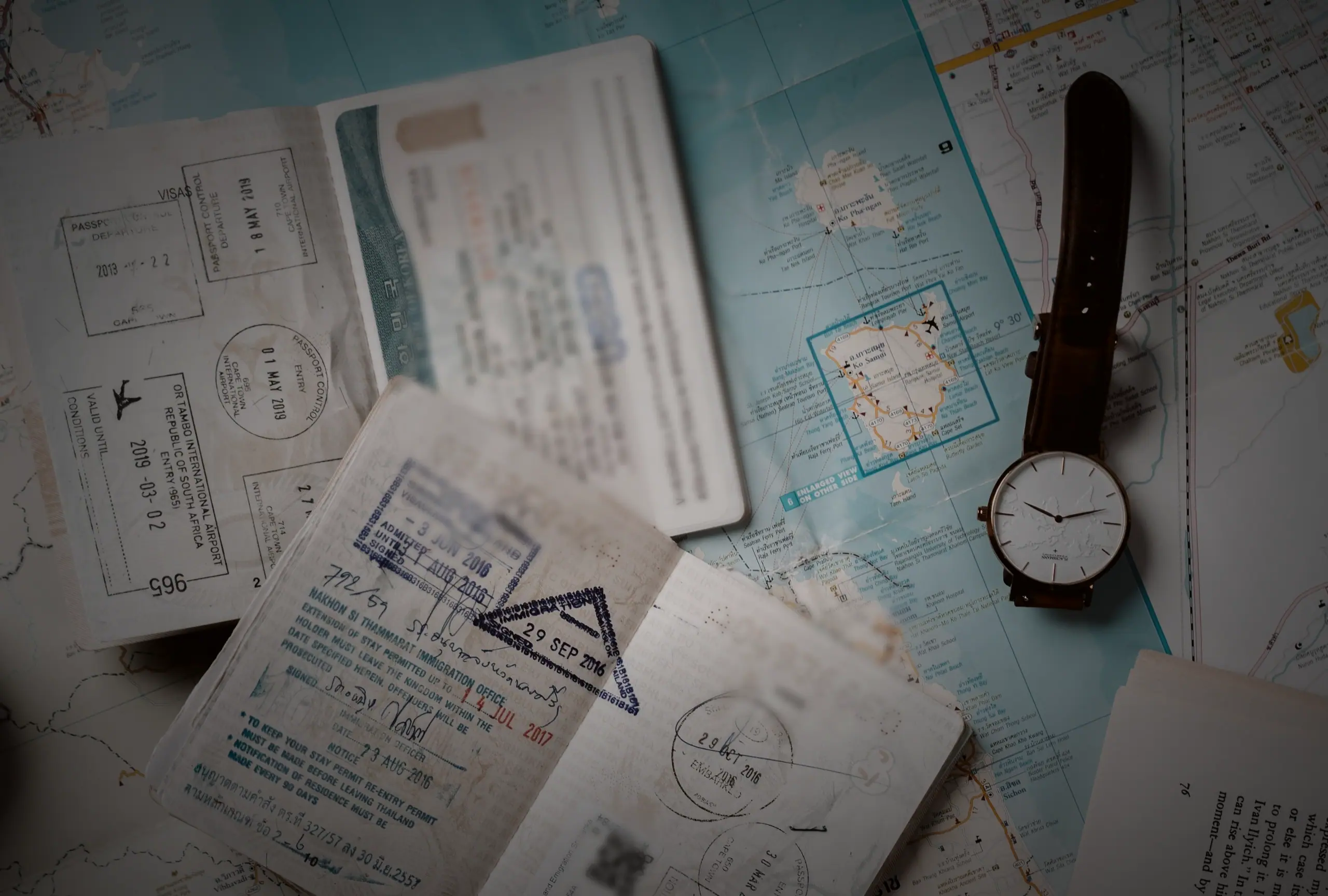
Germany lets you keep your old citizenship. India does not allow dual citizenship, so your Indian citizenship ends when you become German. You then surrender your Indian passport at the Indian embassy or consulate and get a surrender certificate.
With that certificate you can apply for an OCI card (Overseas Citizenship of India). It lets you visit, live and work in India without a visa, for life. Think it through before you apply: once you are German, getting Indian citizenship back is a long process.
Residency or citizenship?
| What | Permanent residency | German citizenship |
|---|---|---|
| Live and work in Germany | Yes, for good | Yes, for good |
| Keep your Indian passport | Yes | No, you get an OCI card |
| Live and work anywhere in the EU | No | Yes |
| Vote in Germany | No | Yes |
| Long stays abroad | Ends after six months away | No limit |
You can take permanent residency first and decide on citizenship later. Why Germany
Common questions
How many years for PR in Germany for Indian nurses?
3 years on a skilled worker permit. For nurses, that permit usually starts when your German nursing licence comes through, so count from then. You also need German at B1 and 36 months of pension payments.
Can I get German citizenship after 5 years?
Yes, if you have lived in Germany legally for 5 years, speak German at B1, pass the citizenship test and earn your own living.
Can I keep my Indian passport if I become German?
No. Germany allows dual citizenship, but India does not. Your Indian citizenship ends when you take German citizenship. You surrender your Indian passport and can then apply for an OCI card.
What is an OCI card?
Overseas Citizenship of India. It lets former Indian citizens visit, live and work in India without a visa, for life.
Can I lose permanent residency in Germany?
Yes, if you leave Germany for more than six months, unless the foreigners’ office agreed to a longer stay abroad before you left. Ask them before a long trip home.
How much does it cost?
Permanent residency costs €113. Citizenship costs €255 for each adult and €51 for each child who becomes German with a parent.

Written and checked by EZMode Advisors
Last checked:
Sources
- Residence Act: settlement permit for skilled workers (§ 18c AufenthG)
- Residence Act: when a residence title expires (§ 51 AufenthG)
- Nationality Act: naturalisation (§ 10 StAG)
- Federal Office for Migration and Refugees: naturalisation, fees and test
- City of Cologne: settlement permit fee
- Embassy of India, The Hague: surrender of Indian passport after foreign citizenship