
Germany
Work in Germany, and settle there.
Nurses work in German hospitals, and school leavers train for a trade with pay every month. Your family can join you, and you can apply to stay for good.
Nurses work in a German hospital while their qualification is recognised. School leavers are paid while they train.
Both start with German classes. Nurses need B2, and most Ausbildung programs need B1.

Two ways in
One for nurses, one for school leavers.The right one depends on what you have studied.

Not a nurse? Medical careers in Germany ›
What is that in rupees? See your in-hand salary ›
Why Germany.
Demand
Hospitals are hiring.
Germany is short of qualified nurses, and it has a set process for hiring nurses trained abroad.
Pay
You are paid from the start.
Nurses start at €2,800–€3,700 a month with German at B2, and earn more once registered in Germany. Ausbildung trainees are paid every month of their training.
Family
Your family can join you.
Nurse couples can be placed together, and your spouse can work. State schools are free for your children, and most public universities charge no tuition.
Future
You can settle long-term.
You receive a residence permit after you arrive. Nurses can apply for permanent residency three years after getting their nursing licence, with German at B1. After Ausbildung, it is about five years from when you start.

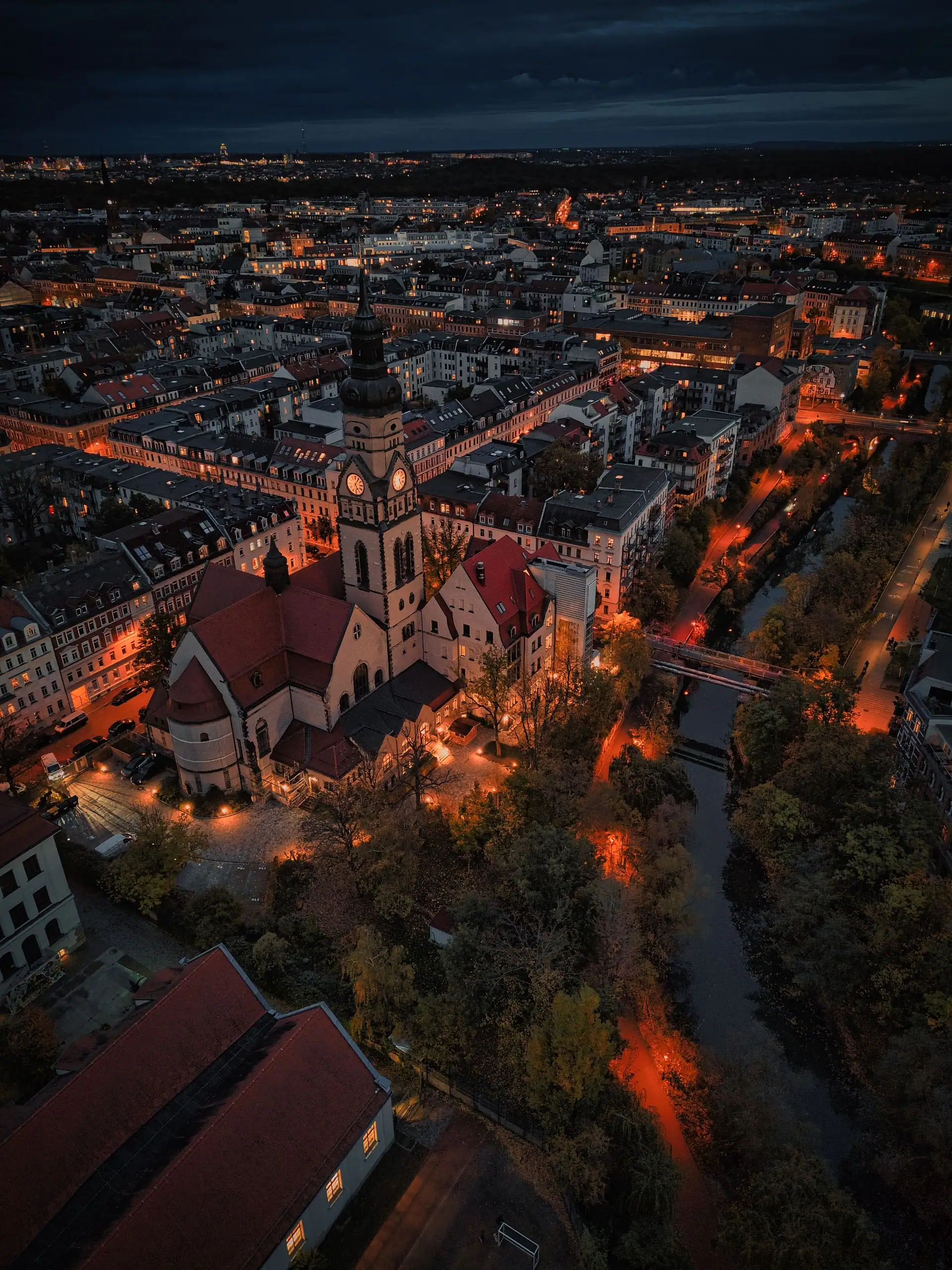


Your first year in Germany.

First weeks
Address, bank account, residence permit.
Within two weeks, you register your address. Then you open a bank account, and your tax ID arrives by post. After that, the foreigners’ office issues your residence permit.
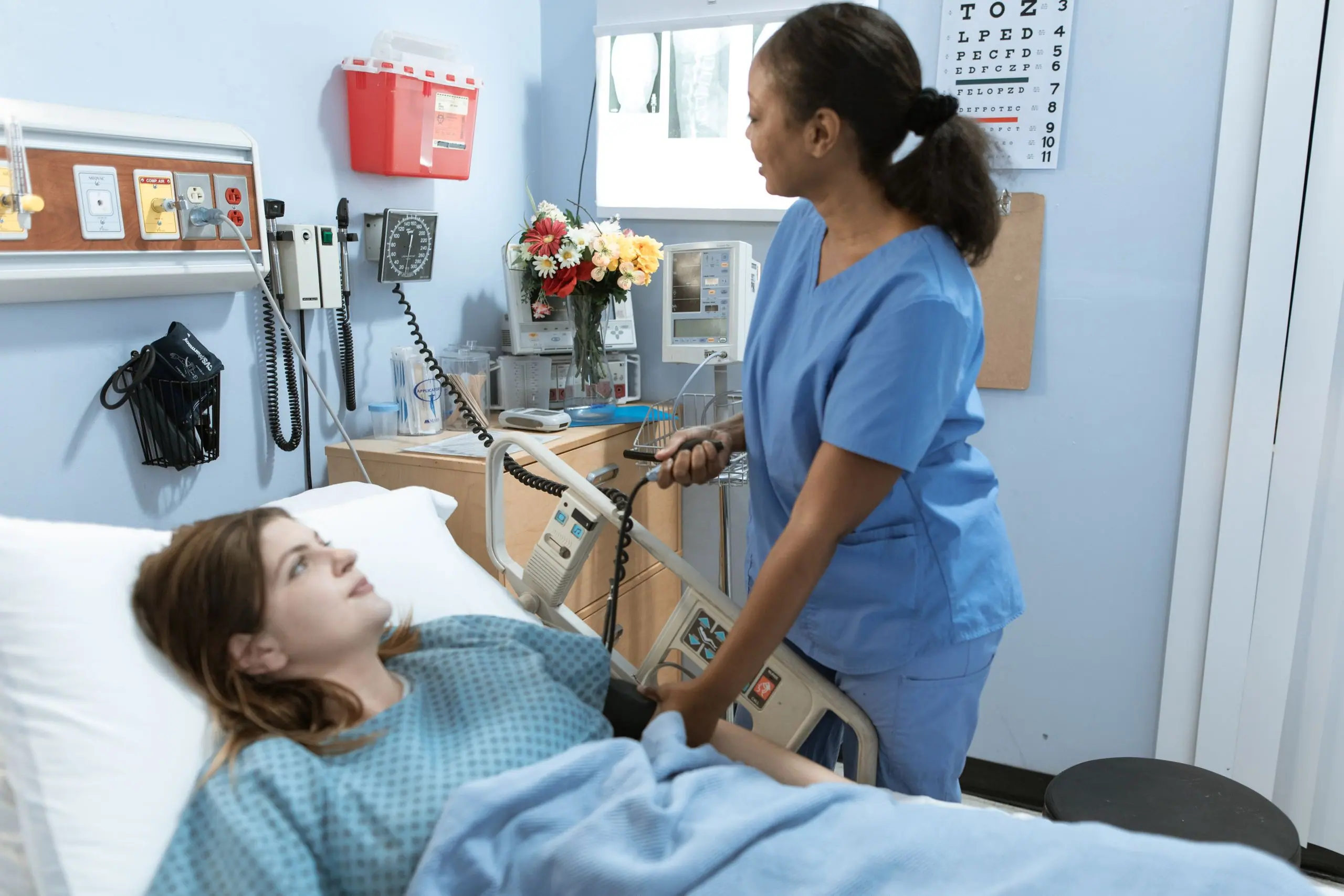
First months
Your German nursing licence.
You work as a nursing assistant while you complete an adaptation course (supervised training that fills any gaps in your nursing training) or prepare for the knowledge exam (an exam on German nursing, taken instead of the course). Work is in German, so the first few months take the most effort. Once you pass, you receive your German nursing licence, and pay typically rises by €500–€800 a month.

Everyday life
Shift work and days off.
Hospitals run early, late and night shifts, 38.5 to 40 hours a week, and nights and weekends are paid extra. Our nurses live in towns like Hildesheim, Detmold and Varel. The Deutschlandticket covers local and regional trains nationwide, so other cities are easy to visit on your days off.
For nurses
Four steps to Germany for nurses.
- 01
Talk it through.
We review your qualification and registration against Germany’s requirements. Freshers can apply.
The full guide - 02
Learn German.
Our training partners teach you German to B2, online or in class. It takes about six months from zero.
German classes - 03
Offer and visa.
You interview with German employers. Once you have an offer, we prepare your documents and visa.
Your visa - 04
Arrive.
We arrange an airport pickup, and a relationship manager stays in touch for six months.
For school leavers
Ausbildung: paid training at a German company.
- 12th, ITI or Diploma to apply
- German at B1 for most programs
- €940–€1,600 a month while you train
- 3 to 3½ years, then a job
- Candidates assisted
- 500+
- Candidates placed
- 300+
- Recruitment partners
- 50+
- Our fastest German visa
- 7 days
Across all our programs, since 2023.
Other destinations for nurses.
Compare them on Nursing Careers ›

Guides to Germany.Checked against official sources.
All guides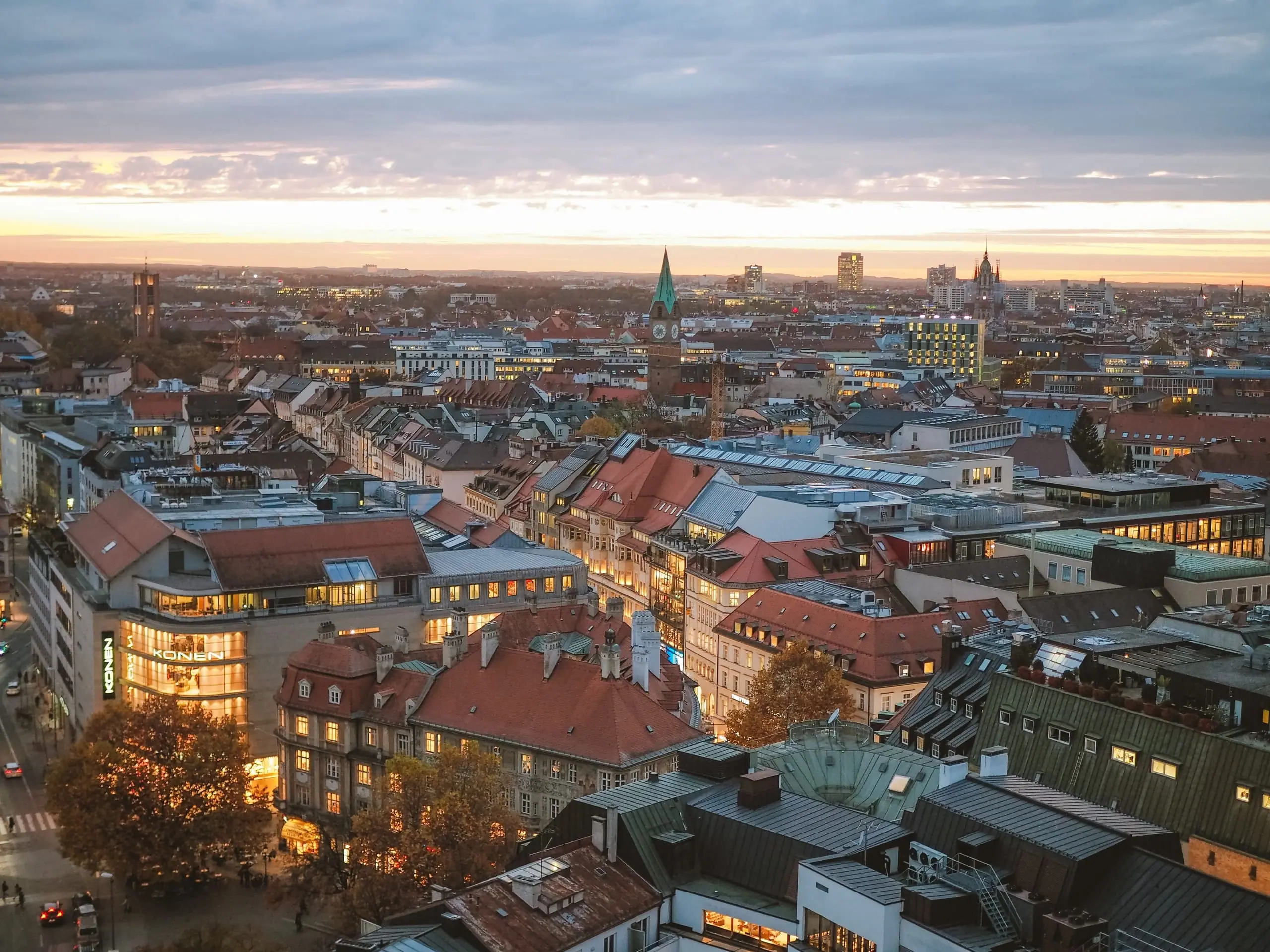
Why work in Germany
Pay, family, life outside work and the path to staying for good.
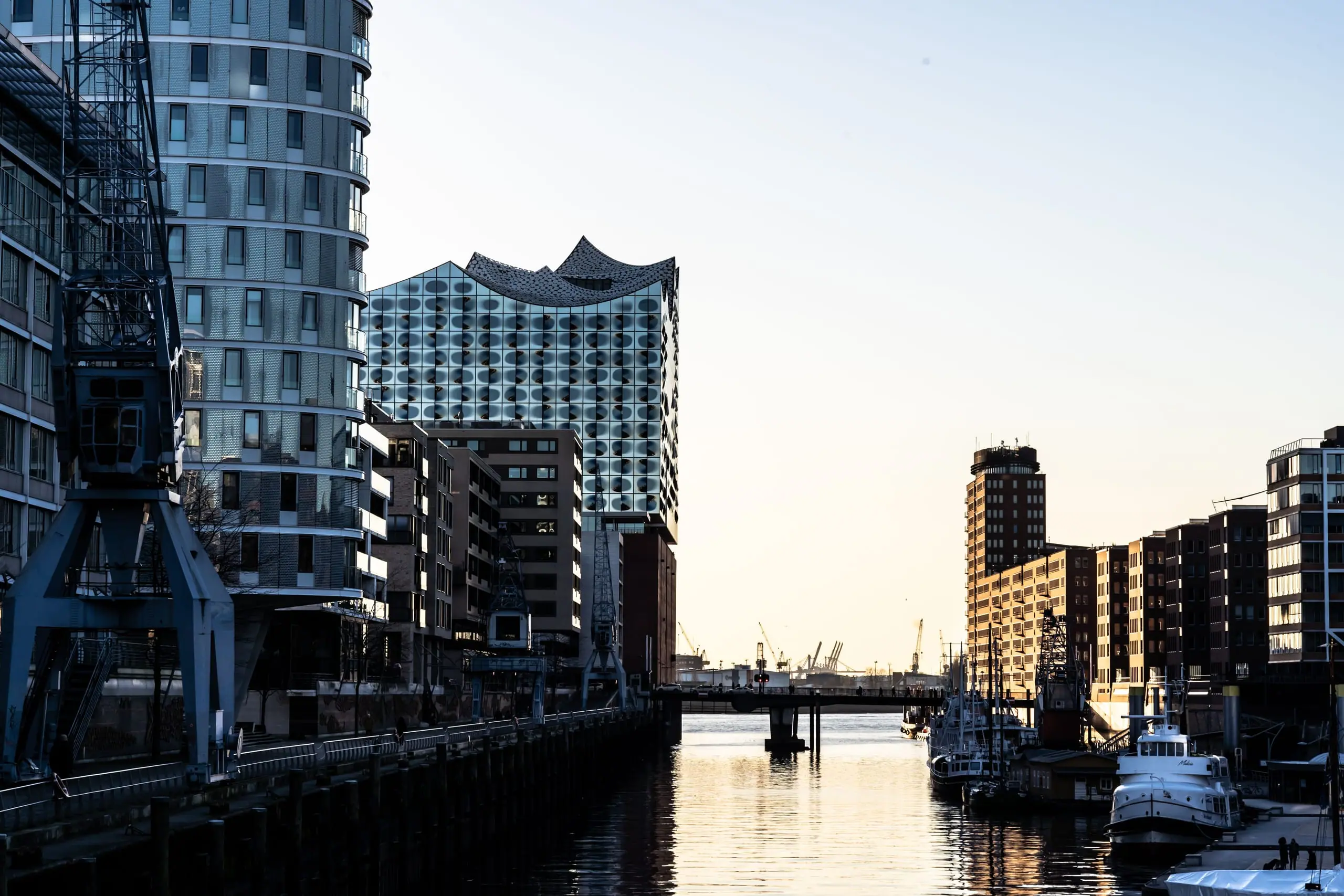
Opportunity Card (Chancenkarte)
The points, the money you need, work while you search, and how to apply from India.
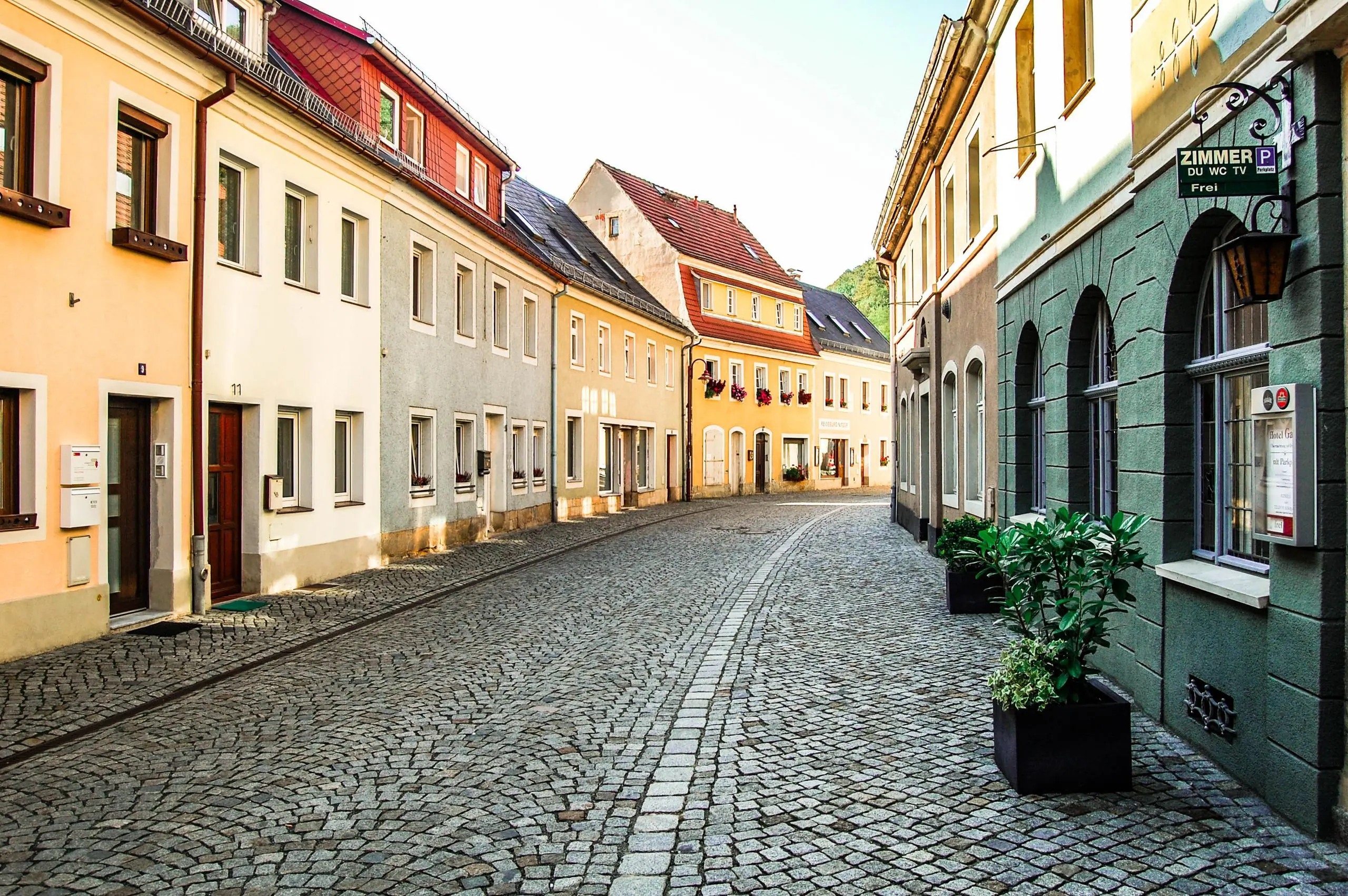
Life in Germany
Rent, food, transport, health insurance and the everyday rules, with a month’s costs in rupees.

Join the next batch.Start with German classes.
Tell us what you have studied. We will tell you which program fits you, and when the next batch starts.
Free advice until you decide to go ahead. Flexible payment plans, with every cost in writing before you pay.