
Japan
Work in Japan with a 12th pass.
Jobs in nursing care, construction, manufacturing and hospitality. You will need Japanese at N4, a basic level most people reach in six to eight months.
Japan’s skilled-worker visa
Four sectors you can work in.

01Nursing care
Caregivers in nursing homes.

02Construction
Work on building sites.

03Manufacturing
Factory and production-line jobs.

04Hospitality
Jobs in hotels.

Six to eight months
Japanese to N4.
This is the level Japan requires for skilled workers. We help you prepare for both the language test and the skills test.
The process
Four steps to Japan.
Learn.学ぶ
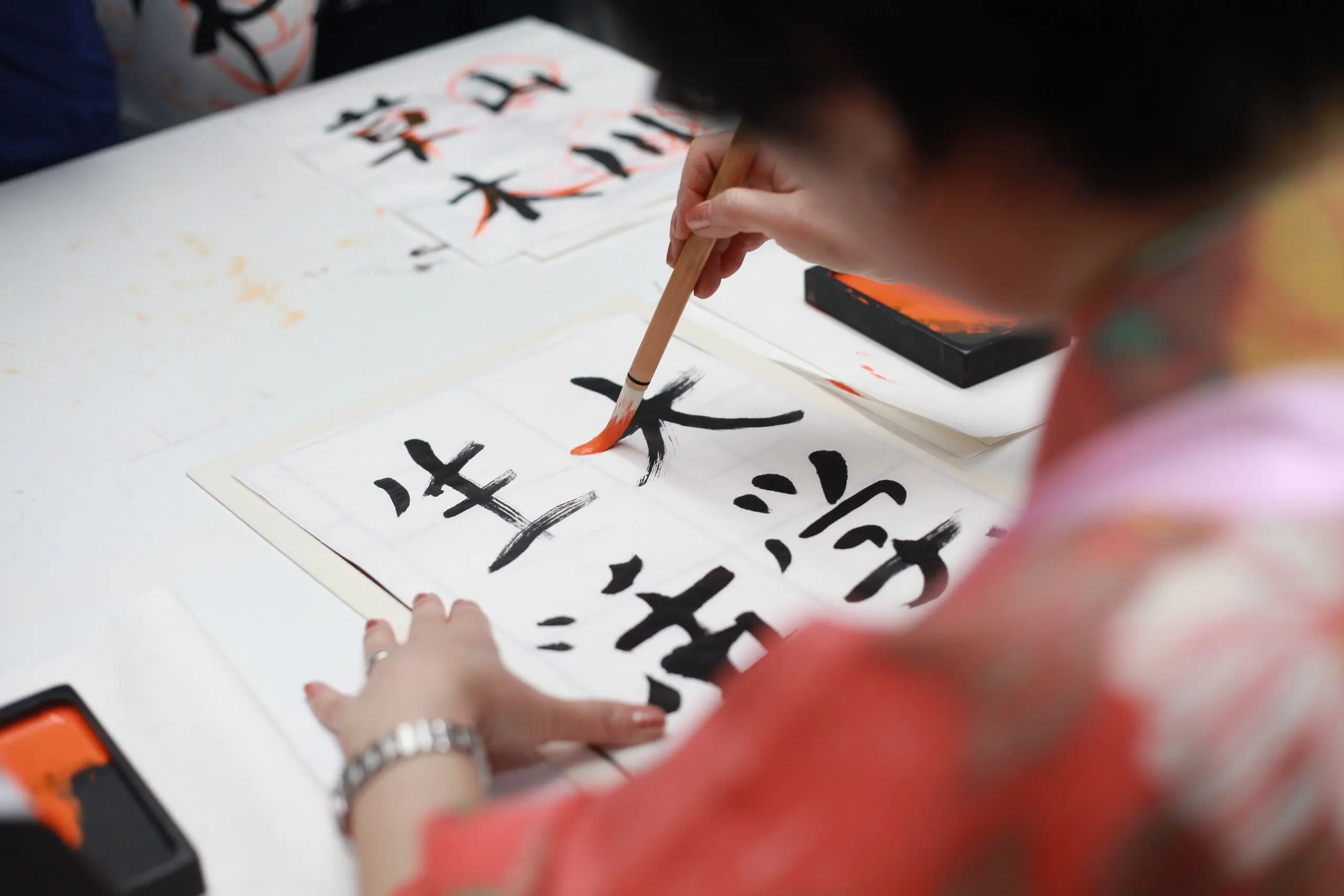
Learn Japanese to N4 level in six to eight months, through our training partners.
- Job offer here
Interview.面接
Employers interview you and make a conditional offer, which becomes final once you pass your tests.
Pass the tests.試験
Take the N4 Japanese test, then your sector skills test.
Fly.出発
We help with your visa and travel, and you start work.
Why Japan
Four things to know before you go.
juken · taking a test
Both tests are held in India.
The Japanese test and the skills test for your field are taken at test centres in India, so you fly only once you have passed.
dōitsu chingin · equal pay
The same pay as Japanese staff.
Your contract must pay at least what a Japanese worker earns for the same job. It is a condition of the visa.
tenshoku · changing jobs
You can change employer.
If a job is not right, you can move to another employer in the same sector, without new tests.
shōrai · the future
You can stay up to five years, or longer.
The first skilled-worker visa allows up to five years. Pass the next exams in your sector, and you can apply to stay longer.
Your first months in Japan.
Arrival
Landing in Japan.
At Narita, Haneda or Kansai airport, your residence card (the ID card Japan gives foreign residents) is issued on arrival. Your employer meets you there and helps you find a place to live.
First weeks
Registering where you live.
Within 14 days of moving in, you register your address at the city office. Someone from your employer goes with you, and shows you how daily life works.
Everyday life
You keep learning Japanese.
Your employer has to give you chances to keep learning Japanese. There is also someone to talk to if anything at work or at home goes wrong.
Days off
Travelling on your days off.
The Shinkansen, Japan’s bullet train, links Tokyo, Kyoto and Osaka.



Passed 12th and open to Germany too? Ausbildung is paid vocational training there, with German at B1, enough for an everyday conversation.
Other ways to go abroad.
See all our services ›


Guides to Japan.Checked against official sources.
All guides


Join the next batch.Start with Japanese classes.
Tell us what you have studied. We will tell you which sectors fit you, and when the next batch starts.
Free advice until you decide to go ahead. Flexible payment plans, with every cost in writing before you pay.