Contents
In short
- On a Specified Skilled Worker (i) visa, your employer must help you find a home, open a bank account and get a phone.
- A skilled worker takes home about ¥193,000 a month on average. A young single worker spends about ¥106,000 on food, housing, bills, travel and phone; with ¥20,000 for going out, about ¥68,000 is left (₹40,000).
- Renting a flat on your own costs about four to seven months’ rent up front, for the deposit, key money and fees.
- Many Japanese dishes are made with fish stock, so vegetarians need to ask.
- About 61,000 Indians lived in Japan in June 2026, the largest group in Edogawa, Tokyo.
Your pay and your costs
Set your pay and your costs below, and see what is left, in yen and in rupees. The starting figures are what single workers under 35 in Japan actually spend, and the average skilled worker’s pay in hand.
Left each month
¥68,000
About ₹40,000
Living costs ¥125,000 (₹73,000) of your ¥193,000 in hand.
- Rent
- ¥34,000
- Food
- ¥42,000
- Electricity, gas and water
- ¥8,000
- Travel and phone
- ¥21,000
- Shopping and going out
- ¥20,000
Spending is for one-person workers’ households under 35 (Statistics Bureau, 2025). Health insurance and pension are already taken out of your pay in hand. Rupees at the rate on 27 November 2026.
Where you live
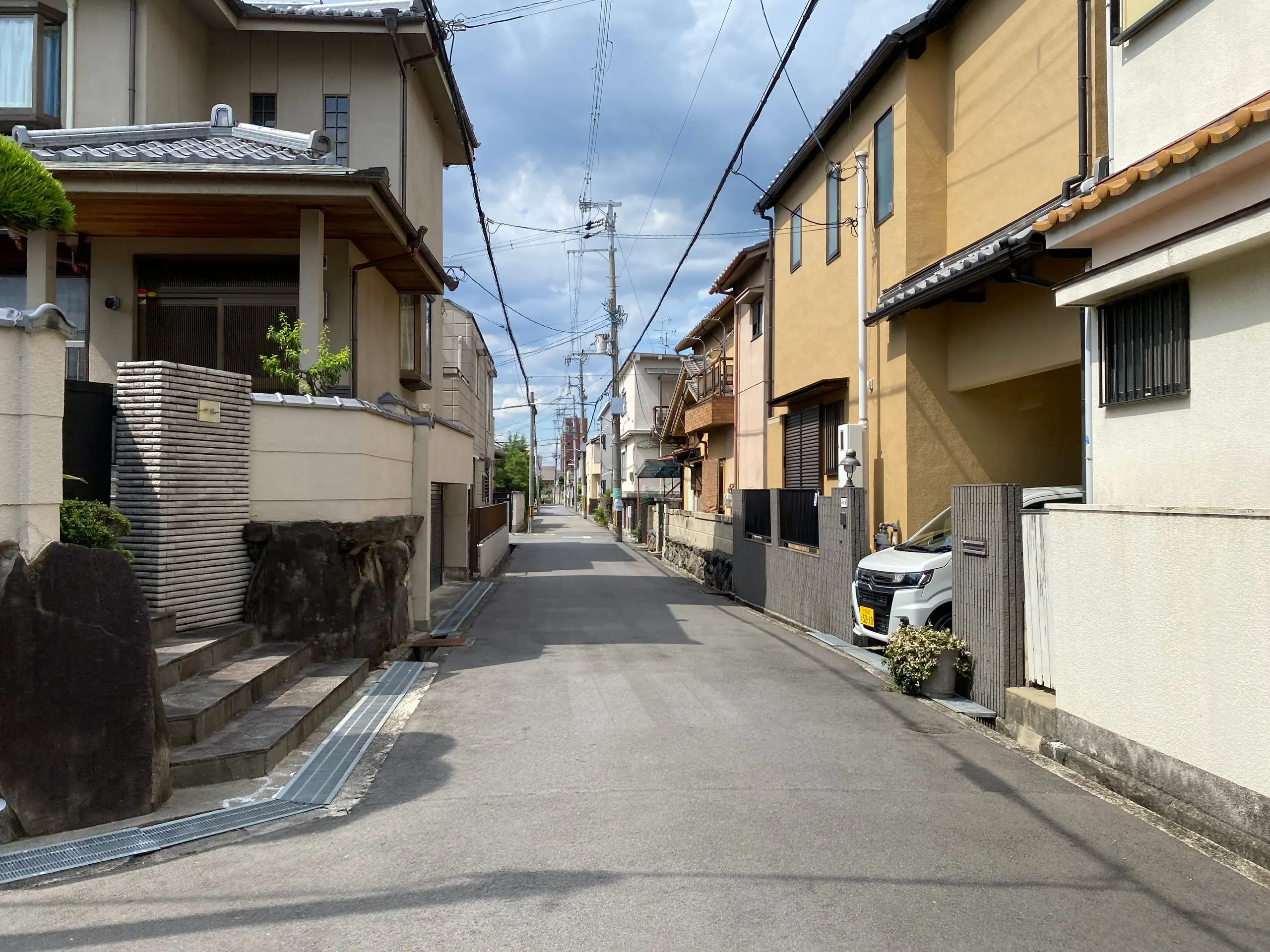
On a Specified Skilled Worker (i) visa, your employer has to support you. They rent you company housing or act as your guarantor for a flat, and help you open a bank account and sign up for a phone, electricity and gas. Single workers under 35 in Japan spend about ¥34,500 a month on housing on average (₹20,000), counting those in company housing.
| Where | Rent | In rupees |
|---|---|---|
| Tokyo’s 23 wards | ¥100,530 | ₹59,000 |
| Tokyo prefecture | ¥94,802 | ₹55,000 |
| Japan | ¥65,496 | ₹38,000 |
| Miyazaki, the lowest | ¥46,290 | ₹27,000 |
If you rent on your own, expect to pay four to seven months’ rent before you move in:
- Deposit (shikikin). Usually two months’ rent, paid back when you leave, less any repairs or cleaning.
- Key money (reikin). One or two months’ rent, a gift to the landlord that you do not get back. Some flats ask for none.
- A guarantor. Most landlords want one. A guarantee company charges about half a month’s rent for two years.
Food
Japan has more than 56,000 convenience stores (konbini), open day and night, with ready meals, snacks and bill payments. Single workers under 35 spend about ¥41,900 a month on food (₹24,000). Cooking at home costs far less than eating out.
Getting around
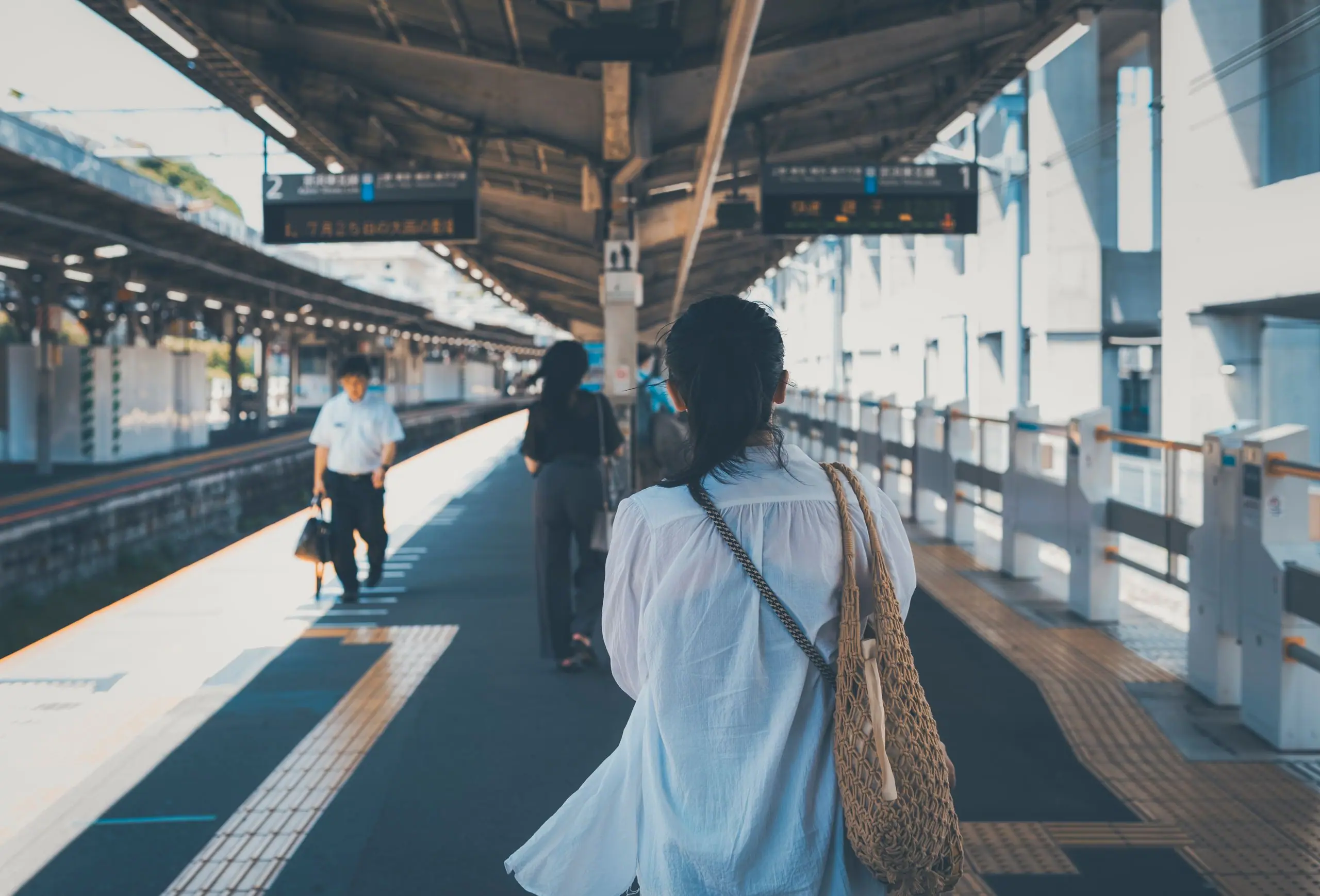
Trains and buses take an IC card, such as Suica or ICOCA. One card works across Japan wherever the IC logos are shown; top it up at any station. Most Japanese companies pay your commute as a commuting allowance, and it is tax-free up to ¥150,000 a month.
Work hours and leave
- 40 hours a week. By law, eight hours a day and 40 a week, with overtime paid on top.
- Paid leave. 10 days after six months at your company, if you came to work on at least 80% of working days. It rises each year, to 20 days after six and a half years.
- The same pay as Japanese staff. Your contract must pay at least what a Japanese worker earns for the same job.
Health insurance
Everyone in Japan joins public health insurance. As an employee, you join your company’s scheme, and your employer pays half the premium. You pay 30% of a doctor’s or hospital bill, and the insurance pays the rest.
The most common problem foreigners report at hospitals is explaining their symptoms. Keep a translation app on your phone; your employer must also give you advice in your own language when you need it.
Your first weeks
- 1.Your residence card. At Narita, Haneda, Kansai and the other main airports, it is given to you when you land. Carry it at all times.
- 2.Register your address. At the city or ward office, within 14 days of moving in. Your 12-digit My Number, used for tax and social security, comes by post after that.
- 3.Bank, phone and bills. Your employer helps you set them up.
Your employer also gives you an orientation on local rules, trains and buses, and what to do in an earthquake. Work in Japan, from India
Rubbish and other rules
Sorting rubbish is the rule newcomers most often say they needed to learn. Each city sets its own: burnable, non-burnable and large items go out on set days, at a set place, and some cities sell their own bags. Put your bag out on the morning of collection, never the night before.
Earthquakes
- Your phone warns you. Japan sends an alert to every phone moments before strong shaking reaches you.
- Protect yourself first. Get under a table or away from windows, and do not light a fire afterwards in case gas is leaking.
- Keep supplies. Food and water for at least three days at home; a week is better.
- Emergency numbers. 119 for an ambulance or fire, 110 for the police.
What surprises people in the first month
- Fish where you do not expect it. A bowl of noodles that looks vegetarian is often made with fish stock. Learn to ask, or cook at home.
- Rubbish goes out on set days. Miss the day, and the bag stays in your flat for a week. Put the collection days on your phone.
- The earthquake alert. The first time every phone in the room sounds at once, it is startling. Your orientation covers what to do.
- Shoes off indoors. At home, and in many homes you visit, you leave your shoes at the door.
- Paperwork in Japanese. Few offices give information in other languages. Your employer’s support person helps, and so does a translation app on your phone.
What to bring from India
- Your original certificates, your skills and Japanese test results, and copies
- Medicines you take regularly, with the doctor’s prescription in English
- Chargers marked 100–240V and a plug adapter: Japan runs on 100 volts with flat two-pin plugs, so a mixer or iron made only for 230V will not work properly
- The spices you cook with most, and a small pressure cooker
- Some yen in cash for your first days
- Warm clothes if you land between November and March, or are going to the north or the Sea of Japan coast
Indians in Japan
About 61,000 Indians lived in Japan in June 2026, up from about 40,000 in 2019. The largest community is in Edogawa ward in Tokyo, around Nishi-Kasai, with about 7,700 Indian residents at the end of 2024. Outside Tokyo, you may be one of only a few Indians in town.
Weather
Summers are hot and humid. 2025 was Japan’s hottest summer on record, and Tokyo had 10 days in a row at 35°C or more. The rainy season runs from June to mid-July. Winters are cold, and about half of Japan’s land, mostly the north and the Sea of Japan coast, gets heavy snow.
Japanese in daily life
Shops, offices and doctors work in Japanese, and few public offices give information in other languages. Your employer must help you find Japanese classes, and each level you pass makes daily life easier. Japanese N4, JFT-Basic or JLPT
Common questions
How much does it cost to live in Japan per month?
A single person spends ¥173,042 a month on average, rent included, the Statistics Bureau found in 2025. Rent is the biggest difference: the average for a rented home is about ¥95,000 in Tokyo and about ¥46,000 in the cheapest prefectures.
Who finds my housing in Japan?
On a Specified Skilled Worker (i) visa, your employer must help: they rent you company housing or act as your guarantor, and help you open a bank account and sign up for a phone, electricity and gas.
Is it hard to be vegetarian in Japan?
You need to ask. Many dishes, from miso soup to noodle broth, are made with dashi, a stock of fish flakes. Ask for kelp or shiitake stock instead, and cook at home with Indian groceries ordered online.
How many Indians live in Japan?
About 61,000 in June 2026, up from about 40,000 in 2019. The largest community is in Edogawa ward in Tokyo, around Nishi-Kasai, with about 7,700 Indian residents at the end of 2024.
What should I do in an earthquake in Japan?
Protect yourself first, under a table or away from windows, and do not light a fire afterwards in case gas is leaking. Keep at least three days of food and water at home. Your phone gets an alert before strong shaking.
Do I have to carry my residence card in Japan?
Yes. Everyone aged 16 or over must carry it at all times. At Narita, Haneda, Kansai and the other main airports, it is given to you when you land.
How much paid leave do you get in Japan?
By law, 10 days after six months at your company, if you came to work on at least 80% of working days. It rises each year, to 20 days after six and a half years.
Can I use my Indian phone charger and appliances in Japan?
Japan runs on 100 volts with flat two-pin plugs, while India uses 230 volts. Phone and laptop chargers marked 100–240V work with a plug adapter. A mixer, iron or hair dryer made only for 230V will not work properly.
How much can I save in Japan?
A skilled worker takes home about ¥193,000 a month on average. A young single worker spends about ¥106,000 on food, housing, bills, travel and phone. With ¥20,000 for shopping and going out, that leaves about ¥68,000, or ₹40,000.

Written and checked by EZMode Advisors
Last checked:
Sources
- Specified Skilled Worker: the support your employer must give
- Statistics Bureau of Japan: household spending, 2025
- Housing and Land Survey 2023: average rents, via the Japan Institute of Life Insurance
- Ministry of Land, Infrastructure, Transport and Tourism: apartment search guidebook
- Japan National Tourism Organization: vegetarian guide
- JR East: Suica
- National Tax Agency: tax-free commuting allowance
- Immigration Services Agency: foreign residents at the end of June 2026
- Immigration Services Agency: foreign residents by nationality, end of 2024
- Edogawa City: foreign residents, 2025
- Immigration Services Agency: guidebook on living and working, emergencies
- Immigration Services Agency: guidebook on living and working, medical care
- Immigration Services Agency: guidebook on living and working, rubbish
- Immigration Services Agency: survey of foreign residents, 2022
- Japan Meteorological Agency: summer 2025
- Statistics Bureau of Japan: one-person households by age, 2025 (Table 2)
- Tokyo Metropolitan Government: working hours, holidays and annual leave
- International Electrotechnical Commission: plugs and voltage by country