Contents
In short
- A room in a shared HDB flat costs about S$800 to S$1,300 a month (₹58,000 to ₹94,000), from listings. Ask your employer about housing first.
- On the S Pass minimum of S$3,300, a month with a shared room, food-court meals, the MRT, a phone and S$200 for shopping costs about S$1,810, which leaves about S$1,490 (₹1.1 lakh).
- Three meals a day at the food courts cost about S$17, and a short MRT or bus trip S$1.28.
- Your employer must pay for medical insurance that covers at least S$60,000 of hospital care a year.
- About one in eleven residents is of Indian descent, and Tamil is one of the four official languages.
Your pay and your costs
Set your pay and your costs below, and see what is left, in Singapore dollars and in rupees.
Left each month
S$1,490
About ₹1,07,000
Living costs S$1,810 (₹1,31,000) of your S$3,300 in hand.
- Rent
- S$1,000
- Food
- S$510
- Travel
- S$80
- Phone
- S$20
- Shopping and going out
- S$200
Rents are estimates from listings. Hospital bills are covered by the insurance your employer pays for. Rupees at the rate on 27 November 2026.
Where you live
Ask your employer first. Public hospitals pay a housing allowance, and the Ministry of Health is building shared hostels for new foreign nurses at public hospitals: about 1,800 places, two to a room, for your first months.
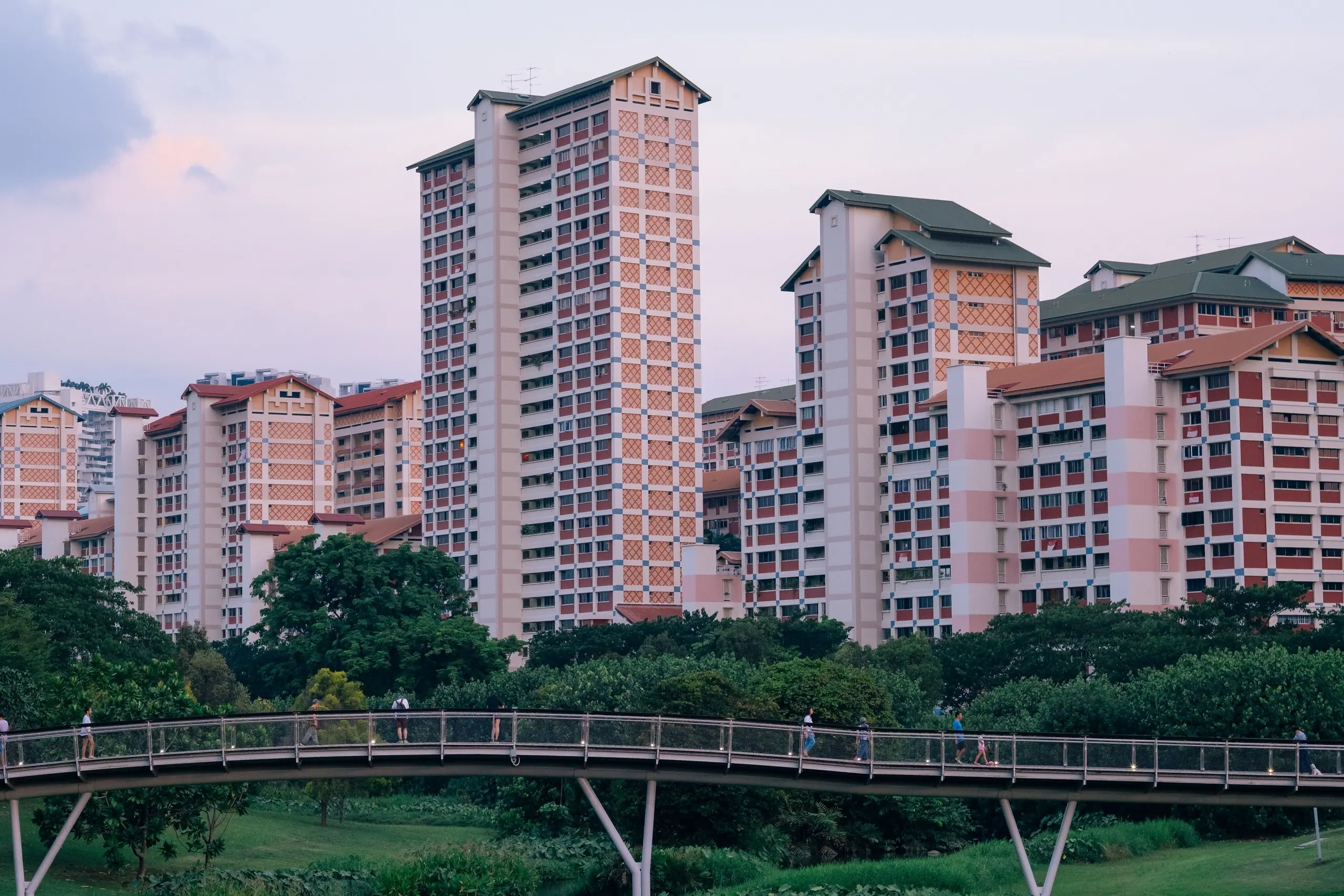
Many nurses rent a room in an HDB flat, Singapore’s public housing, often with the owner’s family or other tenants. Listings show:
| Room | Rent | In rupees |
|---|---|---|
| A shared room (common room) | S$800 to S$1,300 | ₹58,000 to ₹94,000 |
| A room with its own bathroom (master room) | S$1,300 to S$2,000 | ₹94,000 to ₹1.4 lakh |
- HDB approves it. The flat owner must have HDB’s approval to rent you a room. Ask to see it.
- Six months at least. Rooms are rented for at least six months; short stays are not allowed.
- Near your hospital. The MRT is cheap and quick, but a room near your hospital saves time on early and late shifts.
Food
Hawker centres are Singapore’s open-air food courts, with stalls cooking from morning to late. The government runs 119 of them, with more than 14,000 stalls.
| Meal | Average price | In rupees |
|---|---|---|
| Breakfast | S$4.81 | ₹350 |
| Lunch | S$6.01 | ₹430 |
| Dinner | S$6.20 | ₹450 |
Little India is full of Indian restaurants and grocery shops, and many stalls across the island cook vegetarian dishes.
Getting around
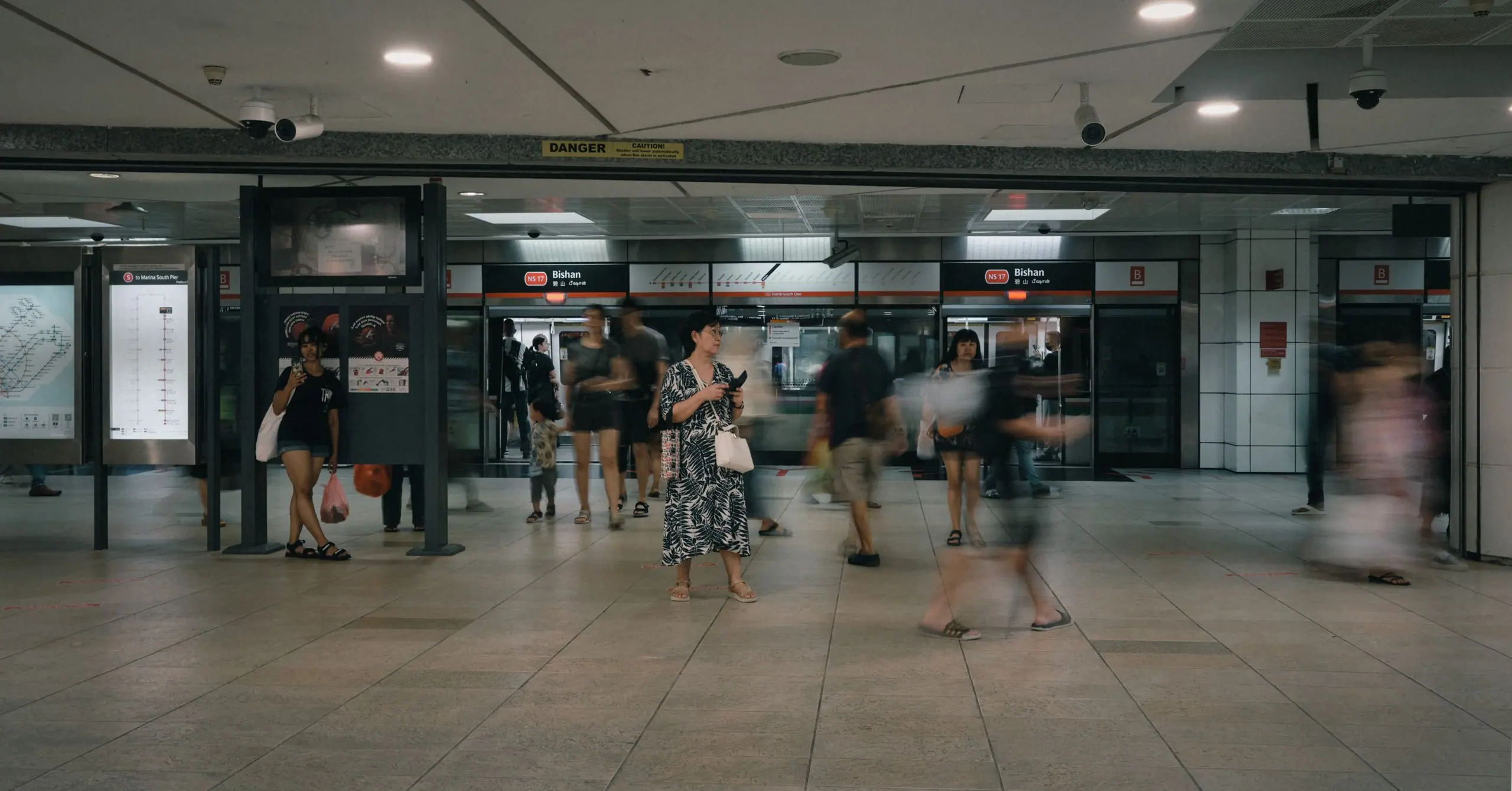
The MRT, Singapore’s metro, and its buses reach most of the island, so you do not need a car. A trip of up to 3.2 km costs S$1.28 (₹90) from 27 December 2025, and longer trips cost a little more.
Leave and medical insurance
- Paid leave. By law, at least 7 days in your first year, once you have worked 3 months, rising by a day each year to 14. Many employers give more, so check your contract.
- Hospital insurance. Your employer must buy you medical insurance that covers at least S$60,000 a year of hospital stays and day surgery, including illness that has nothing to do with work. They pay the premium and cannot take it from your salary.
- Sharing the bill. Your contract may ask you to share hospital costs, but never more than 10% of your monthly salary, for at most six months in any two years.
- Family doctor visits. These are not part of the required insurance. Ask what your employer covers.
Your first week
- 1.Your work pass card. If your approval letter says so, give your fingerprints and photo at a Ministry of Manpower centre within a week, by appointment. The card is delivered within five working days.
- 2.Singpass. Your account for government services is set up at the same visit.
- 3.Your phone. A SIM card registered with your passport works for only 30 days. Register it again with your work pass to keep it.
Rules to know
Singapore is strict, and fines are given on the spot:
- Littering. Even a tissue or a cigarette end can mean a fine.
- Smoking. Smoking in a no-smoking area means a fine.
- Chewing gum. It cannot be sold in Singapore, and you cannot bring it in to sell.
- Drugs. The penalties are among the heaviest in the world. Never carry a bag or parcel for anyone.
Singapore is also very safe. In Gallup’s 2025 report, 98% of people in Singapore said they feel safe walking alone at night, the most of 144 countries, and 97% of women said so.
What surprises people in the first month
- Air-conditioning everywhere. It is 31°C to 33°C on the street, but wards, trains and malls are air-conditioned. Carry a light layer.
- Sudden rain. Heavy showers come quickly, most of all in the two monsoons. Keep an umbrella in your bag.
- Many languages on the ward. You work in English, but older patients may speak Mandarin, Malay, Tamil or a Chinese dialect. Your Tamil, if you have it, is useful here.
- Your SIM card stops. A passport-registered SIM works for only 30 days, so re-register it once your work pass card comes.
- Home is close. Singapore is only 2½ hours ahead of India, so evening calls home are easy, and a flight from Chennai takes about four hours.
What to bring from India
- Your original nursing certificates, transcripts and council registration
- Medicines you take regularly, with the doctor’s prescription in English
- A plug adapter: Singapore uses three-pin square plugs, like the UK, at 230 volts, so Indian appliances work with just an adapter
- Light cotton clothes, comfortable shoes for shifts, and an umbrella
- Some Singapore dollars in cash for your first days
- The spices you cook with most, though Little India sells nearly everything
Indians in Singapore
About one in eleven residents is of Indian descent, and Tamil is one of the four official languages, with English, Malay and Mandarin. India’s Ministry of External Affairs counts about 3.5 lakh people of Indian origin in Singapore, and about 2.5 lakh Indian passport holders.
A direct flight takes about four hours from Chennai, Bengaluru or Kolkata, and about 5½ to 6 from Mumbai or Delhi. Nursing jobs in Singapore
Weather
Hot and humid all year: about 31°C to 33°C in the day and 23°C to 25°C at night. It rains often, most in the two monsoons, December to early March and June to September. There is no winter.
Common questions
How much does it cost to live in Singapore as a nurse?
Rent is the biggest cost: about S$800 to S$1,300 a month for a room in a shared HDB flat, from listings. Food at the food courts costs about S$17 a day, and short MRT or bus trips S$1.28 each. Use the calculator above for your own month in rupees.
Where do foreign nurses live in Singapore?
Many rent a room in an HDB flat, Singapore’s public housing. Public hospitals pay a housing allowance, and the Ministry of Health is building shared hostels for new foreign nurses, about 1,800 places. Ask your employer what comes with your offer.
Is Indian food easy to find in Singapore?
Yes. About one in eleven residents is of Indian descent, and Little India is full of Indian restaurants and grocery shops.
Who pays if I have to go to hospital in Singapore?
Your employer must buy you medical insurance that covers at least S$60,000 a year of hospital stays and day surgery, and cannot take the premium from your salary. Visits to a family doctor depend on your employer’s own benefits.
Is Singapore safe for women?
Yes. In Gallup’s 2025 safety report, 97% of women in Singapore said they feel safe walking alone at night, and Singapore ranked first of 144 countries.
Can I use my Indian debit card on the MRT?
Yes, if it is a contactless Visa, Mastercard or Amex card: tap it at the gate. Foreign cards pay a S$0.60 fee for each day you travel, so a local card is cheaper once you live there.
How much paid leave do nurses get in Singapore?
By law, at least 7 days in your first year, once you have worked 3 months, rising by a day each year to 14. Many employers give more; check your contract.
How much can a nurse save in Singapore?
On the S Pass minimum of S$3,300 at 23, with a shared room, food-court meals, the MRT, a phone and S$200 for shopping, a month costs about S$1,810, which leaves about S$1,490, or ₹1.1 lakh. S Pass holders pay no CPF, so you keep almost all your salary.

Written and checked by EZMode Advisors
Last checked:
Sources
- Ministry of Health: hostels for new foreign healthcare workers, 2023
- Ministry of Health: progress on the hostels, 2025
- HDB: rules for renting a flat or room
- Data.gov.sg: median HDB rents by town
- Institute of Policy Studies: the cost of eating out, 2023
- Public Transport Council: fares from 27 December 2025
- SimplyGo: paying with a contactless bank card
- Ministry of Manpower: medical insurance for S Pass holders
- Ministry of Manpower: collecting your pass
- Singapore Census 2020: residents by ethnic group
- Ministry of External Affairs: India–Singapore brief, 2024
- Meteorological Service Singapore: climate
- Singapore Government: Gallup safety report, 2025
- Singapore Statutes: the chewing gum regulations
- Ministry of Manpower: annual leave
- Ministry of Manpower: S Pass minimum salary
- International Electrotechnical Commission: plugs and voltage by country